In Aged Care, a Cleaning Robot's Real Job Is Freeing Staff for Residents
A composite case study: autonomous scrubbing in an aged-care home, how it reallocated night cleaning hours to high-touch hygiene, and a 25-month payback.
By WhichBot Team
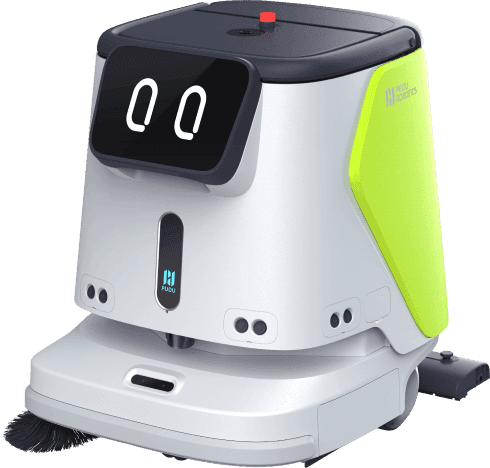
Aged care changes the cleaning-robot question. It isn't "how much labour can we cut" — it's "how do we raise hygiene without asking overnight staff to do more." The answer turned out to be the same machine, used differently: let a PUDU CC1 own the floors so people can own the parts that matter.
The brief
An overnight cleaner spent most of the shift pushing a scrubber down long corridors — repetitive work that left little time for the high-touch surfaces infection control actually cares about. The machine had to be unobtrusive, safe around residents who wander at night, and provably consistent for accreditation.
- ~6,000 m² of corridors, dining rooms and lounges (resident rooms stay manual)
- Runs overnight in a live building — low-speed operation and avoidance are essential
- Hygiene auditors sample floors; consistency drives accreditation
- Goal: reallocate cleaning time toward disinfection, not cut headcount
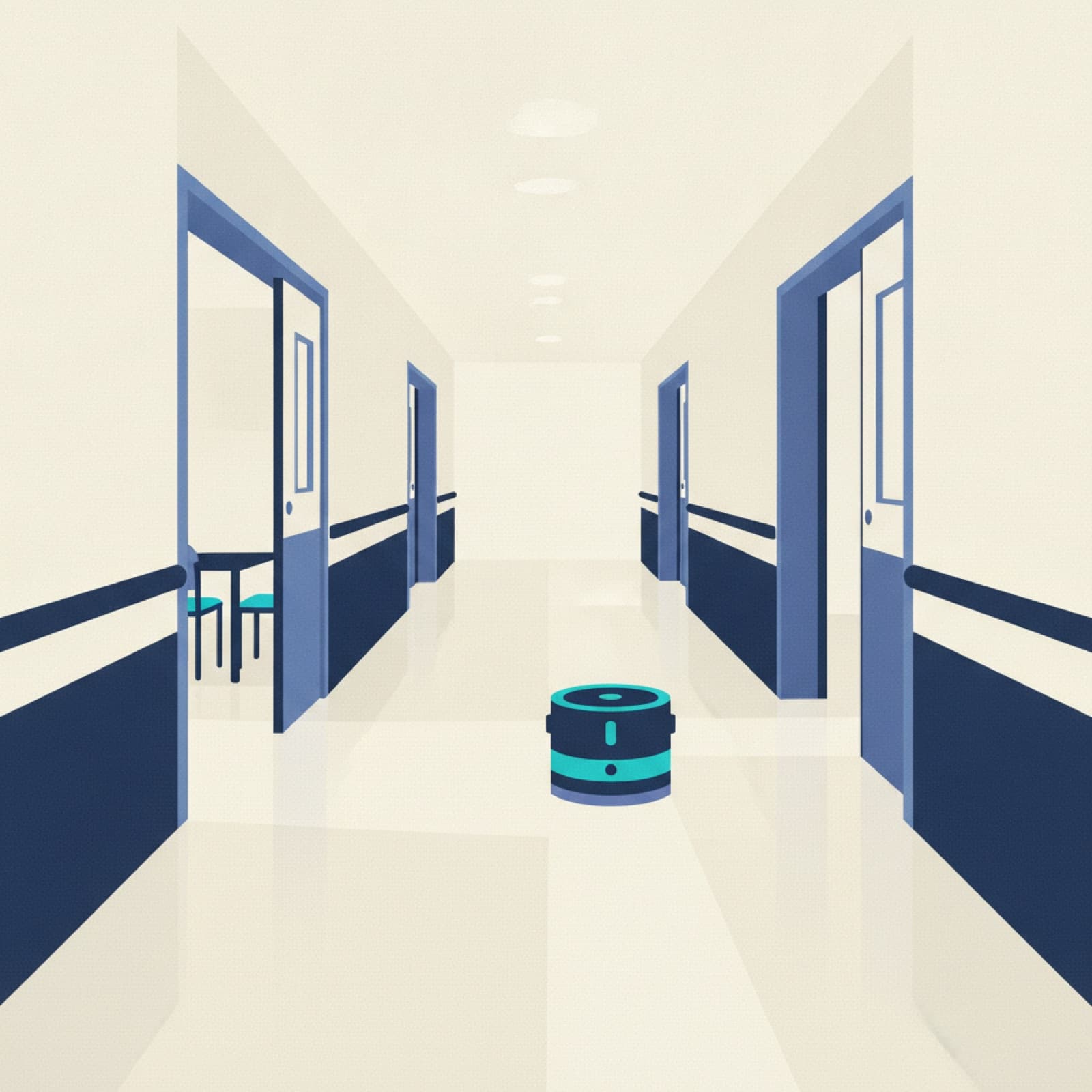
Corridors are the spine of the job: they connect every common area and carry the most traffic. Resident rooms, bathrooms and anything behind a closed door stay with the care team — the robot is there to hold the shared floor to a consistent standard, not to enter private space.
The shift didn't shrink — it changed shape
The robot didn't remove the overnight cleaner; it changed what that person did with the shift. The hours that used to go to mopping corridors moved to the work that lifts hygiene scores:
- High-touch surface disinfection38%
- Resident-area detail27%
- Robot supervision & exceptions20%
- Restock & waste15%
Floor-scrubbing used to eat most of the shift. With the robot on the corridors, the same hours now go to the high-touch cleaning that actually moves infection-control scores.
Coverage where it counts
The robot runs the same route every night and doesn't cut the far corridor short at 3 a.m. — which is exactly where manual rounds used to slip.
The money
Prices are indicative Australian retail, ex-GST. Two PUDU CC1 units plus mapping came to ~A$64,000 upfront, freeing about A$2,600/month of night labour to redeploy toward hygiene:
Break-even at ~24.6 months on a $64,000 upfront outlay saving $2,600/month.
In aged care the payback line matters, but the accreditation line matters more. A floor cleaned to the same standard every single night — and staff with time for the surfaces people actually touch — is worth more than the labour figure alone captures.
Would it work for your facility?
- Size it for your home with the Fleet & ROI Planner.
- Or tell us about your facility for a vendor-neutral shortlist.
Frequently asked questions
- Are cleaning robots quiet and safe enough for an aged-care home?
- A PUDU CC1 runs at about 70 dB with obstacle avoidance, and at low overnight speed it cleans corridors and common areas without startling residents. Where near-silence is the priority, the Gausium Phantas is quieter at ~60 dB, at a higher price.
- Do cleaning robots reduce staff in aged care?
- The better framing is reallocation, not reduction. The robot takes over repetitive floor-scrubbing so cleaners spend those hours on high-touch disinfection and resident-facing areas, which is where hygiene audits and infection control actually improve.
- What's the payback on a cleaning robot in aged care?
- About 25 months in this composite: ~A$64,000 upfront for two PUDU CC1 units plus mapping, against ~A$2,600 a month in reallocated night labour — with a measurable lift in floor-hygiene scores on top.
- How much floor can two robots cover in an aged-care facility?
- Around 6,000 m² of corridors, dining and common areas a night in this scenario — each of the two units takes one mid-shift charge across the overnight window — leaving resident rooms and high-touch surfaces to trained staff.
Put these numbers to work
See which robot fits your facility and what it would save you.
Run the Fleet & ROI Planner