How to Choose Your First Commercial Cleaning Robot
A practical, vendor-neutral framework for picking the right autonomous cleaning machine for your facility — without overspending.
By WhichBot Team
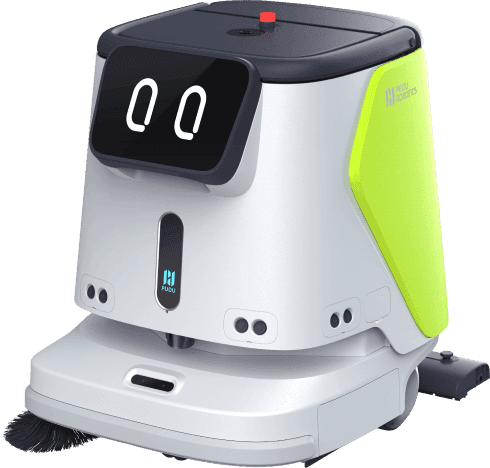
Most facilities teams approach their first cleaning robot the wrong way: they start with a brand, watch a slick demo, and back into a justification. The result is a machine that looks impressive in the warehouse aisle but never pays back. Here is the order of operations that actually works.
1. Start with the floor, not the robot
The single biggest predictor of ROI is how much uninterrupted, machine-cleanable floor you have. A 1,500 m² open retail floor is a dream for autonomy. The same square footage chopped into twenty small rooms with thresholds and clutter will cut a robot's real-world throughput in half.
Before you shortlist anything, classify your space and match it to a machine class:
| Your space | Robot class | Typical fit |
|---|---|---|
| Open hard floor (warehouse, big-box, transit) | Scrubbers & sweepers | Strongest payback |
| Carpet & mixed (offices, hotels) | Robotic vacuums / combo units | Good, size carefully |
| High-hygiene (healthcare, food) | Disinfection robots | Often in addition to a scrubber |
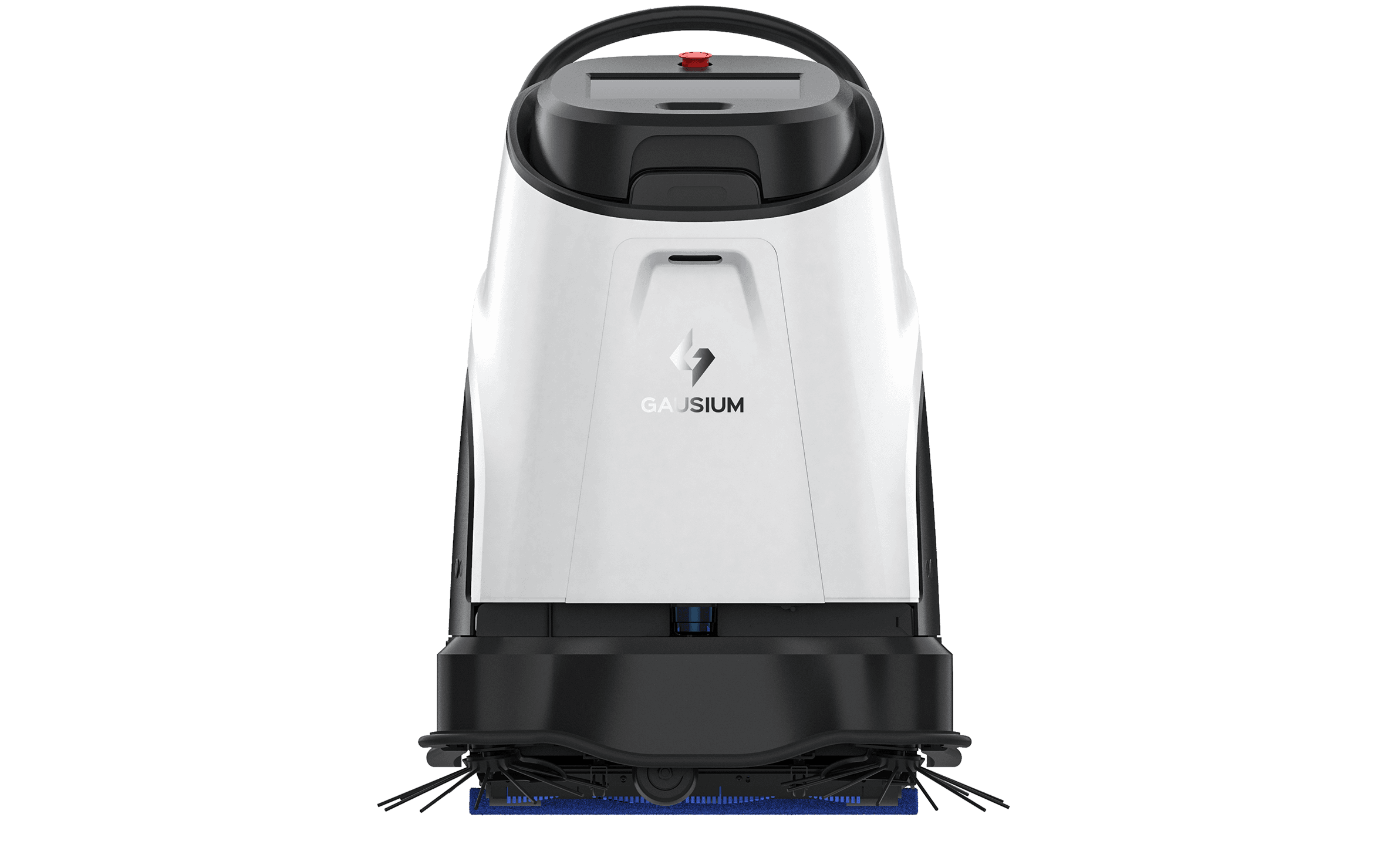
2. Size the work, then size the machine
Coverage numbers on a spec sheet are peak figures. In production you should assume 45–75% of rated throughput once you account for docking, edge work, and obstacle avoidance — the low end for bold "up to" theoretical maxima.
Your environment, not the brochure, sets real coverage. The Fleet & ROI Planner bakes a realistic haircut in so your payback math isn't fiction.
3. Budget for the whole system, not the sticker
A robot's purchase price is rarely the largest line item over five years. Plan for:
- Consumables (pads, brushes, filters)
- Annual maintenance contracts
- Fleet/management software subscriptions
- Light human supervision (emptying, spot-cleaning, exceptions)
4. Run a paid pilot before you commit
Insist on a 30–60 day pilot in your building, on your floors, on your schedule. Measure square metres actually cleaned per shift, not demo-day numbers. If a vendor won't pilot, that tells you something.
The robots that survive procurement aren't the flashiest — they're the ones whose payback math still holds when you use conservative assumptions.
Ready to put numbers behind it? Try the Fleet & ROI Planner and get a recommendation in under a minute — or tell us about your site for a vendor-neutral shortlist.
Put these numbers to work
See which robot fits your facility and what it would save you.
Run the Fleet & ROI Planner