A Dry Sweeper in a Food Plant: Match the Machine to the Floor
A composite case study: why an autonomous dry sweeper — not a scrubber — is the right robot for a food plant's dry packing and dispatch floors, with the wet wash-down zones kept manual, and a 15-month payback.
By WhichBot Team
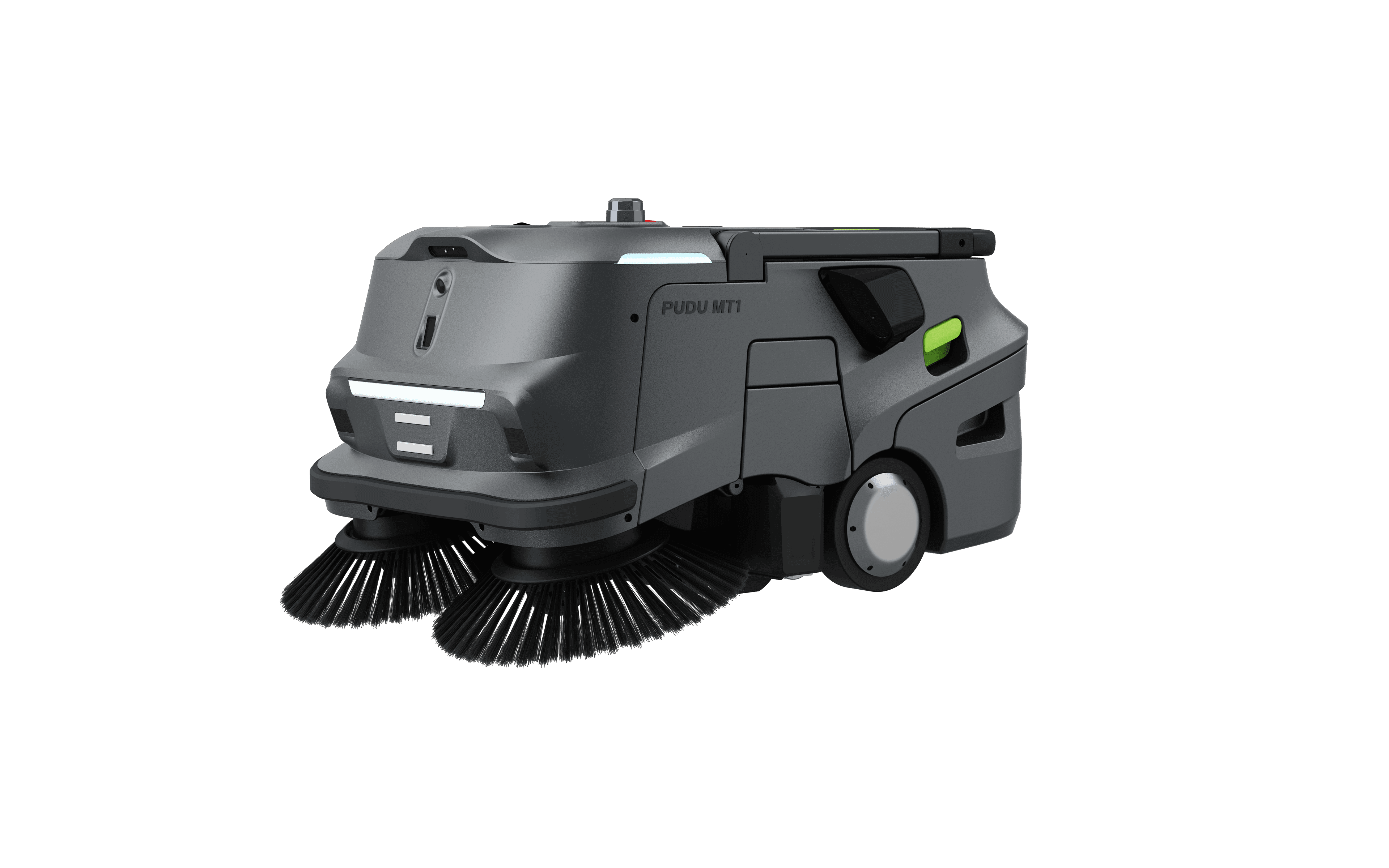
The most common cleaning-robot mistake we see in food plants is buying the wrong type of machine — putting a wet scrubber where a sweeper belongs, or worse, a dry sweeper on greasy wash-down floors where it's useless. This plant got it right by splitting the floor by job: autonomous PUDU MT1 dry sweepers on the large dry areas, and trained staff keeping the wet, high-care zones.
The brief
The plant runs two production shifts with a cleaning changeover between them. The key realisation was that "the floor" is really two very different floors:
- ~11,000 m² of dry sealed floor — packing hall, ambient store, dispatch, corridors: dust, cardboard debris, spilled product. A sweeping job.
- Wet / high-care processing and wash-down zones: grease, water, drainage. A wet-scrub or manual job — and often a hygiene rule that keeps humans in the loop.
- A hard compliance requirement: every clean needs an auditable record.
A dry sweeper is exactly right for the first floor and exactly wrong for the second. So we scoped the robots to the dry side only.
Which zones the robot owns
Mapping the plant by hygiene classification drew a clean line between what the sweepers run and what stays a specialist wet clean:
Red, dashed = wet/high-care, NOT a dry sweeper's job — kept a specialist manual (or wet-scrub) clean by design. The robots own the large dry floors.
The dry side — ambient store, dry production, packing and the dispatch dock — is what a dry sweeper is for. The wet, greasy wash-down zones are hatched here because they stay a manual, specialist job: the MT1 carries no water and no recovery tank, so sending it in would be the wrong machine on the wrong floor.
The shortlist
Prices are indicative Australian retail, ex-GST. For the dry floors, the question was throughput-per-dollar among sweepers; the wet zones were scoped out to a different machine class entirely.
| Zone / job | Right machine | Indicative price | In this plant |
|---|---|---|---|
| Dry sweep (packing, ambient, dispatch) | PUDU MT1 dry sweeper | ~A$26,000 | ✅ 3-unit fleet |
| Larger dry floors | PUDU MT1 Max dry sweeper | ~A$39,200 | Alternative if area grows |
| Wet / greasy wash-down | Wet scrubber (Gausium Scrubber 75) or manual | ~A$131,000 / — | Kept manual here |
Trying to force one machine to do both jobs is how food plants end up with a robot that either can't handle grease or wastes a wet scrubber on dry dust. Two machine classes, two floors.
The money — and the record
Three MT1 dry sweepers (indicative ~A$26,000 each) plus mapping came to ~A$84,000 upfront, displacing the bulk of the between-shift sweeping crew for ~A$5,500/month:
Break-even at ~15.3 months on a $84,000 upfront outlay saving $5,500/month.
The payback captures labour. It misses the quieter win: every run is logged — zones, times, coverage — so the cleaning record is automatic and tamper-evident. In food manufacturing, a clean floor you can prove you swept is worth as much as the sweep itself.
Would it work for your plant?
- Split your floor by job and size the dry side with the Fleet & ROI Planner.
- Or tell us about your facility for a vendor-neutral shortlist that matches the machine to each zone.
Frequently asked questions
- Can an autonomous dry sweeper clean wet, greasy food-processing floors?
- No — a dry sweeper like the PUDU MT1 has no water or recovery tank and is built to lift dust and debris, not wash grease. Wet, greasy wash-down zones need a wet scrubber or a manual clean. The honest move is to match the machine to the floor: sweep the dry areas, keep the wet high-care zones a specialist manual job.
- Which robot suits a food-processing plant?
- It depends on the zone. Dry packing, ambient storage, dispatch and corridors suit an autonomous dry sweeper (PUDU MT1). Wet processing and wash-down areas need a wet scrubber (e.g. Gausium Scrubber 75 or a PUDU CC1 Pro) or manual cleaning — a single robot rarely covers both well.
- How many dry sweepers does a food plant need?
- In this composite, three PUDU MT1 units swept ~11,000 m² of dry packing, ambient and corridor floor per shift, on the spec-derated ~1,080 m²/h basis (1,800 m²/h rated × 0.6). The wet processing and high-care zones stayed manual.
- What's the payback on a dry sweeper in food manufacturing?
- About 15 months here: ~A$84,000 upfront for three PUDU MT1 units (indicative ~A$26,000 each, ex-GST) plus mapping, against ~A$5,500 a month in displaced sweeping labour — plus a timestamped cleaning log that lowers audit risk.
Put these numbers to work
See which robot fits your facility and what it would save you.
Run the Fleet & ROI Planner