Lease or Buy a Cleaning Robot? The Break-Even Is About Year Four
Robot-as-a-Service is $0 upfront but costs more over five years. Here's the cash-flow math, the crossover point, and when each option actually wins.
By WhichBot Team
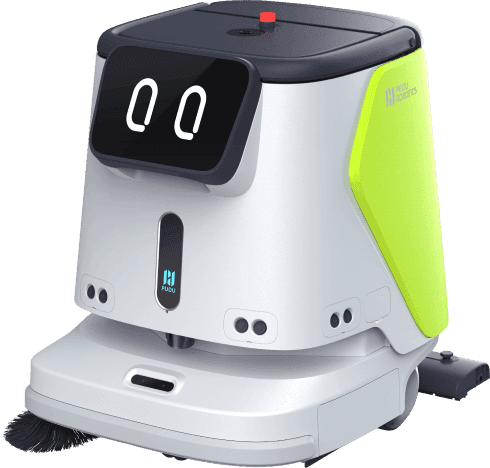
Worked example. The figures below are an illustrative single PUDU CC1 at indicative Australian retail pricing (ex-GST) — enough to show the shape of the lease-vs-buy decision, not a specific quote.
"Should we lease or buy?" is really two questions wearing one coat: what's cheapest over the life of the machine, and what does it do to cash flow this year. They have different answers, and the honest advice depends on which one your finance team cares about.
What you're actually comparing
Buying is a big cheque now and a small service bill later. Leasing is no cheque now and a flat monthly fee that bundles everything:
- Hardware (amortised)60%
- Maintenance contract18%
- Fleet software12%
- Support & SLA10%
The convenience is real — one predictable number, no capex, no surprise repair bills. You pay for it in a higher five-year total.
The crossover
Plot cumulative cost over five years and the decision stops being a matter of opinion. Buying starts high and rises slowly; leasing starts at zero and climbs in a straight line. Where they cross is your answer:
Bought (shown): A$30.1k upfront + ~A$3k/yr. Leased climbs ~A$10.8k/yr from zero and overtakes the bought line at about year 3.9 — so past year four, owning is cheaper.
So which wins?
| Situation | Better choice |
|---|---|
| You'll run the machine 4+ years | Buy — lowest lifetime cost |
| You want A$0 upfront / opex not capex | Lease (RaaS) |
| Short pilot or uncertain site | Lease — walk away or swap |
| Fast-scaling / fleet churn | Lease — flex up and down |
| Stable, long-term single site | Buy |
The machine is the same either way — a PUDU CC1 cleans identically whether it's on your balance sheet or the vendor's. The decision is purely financial, and it comes down to how long you'll keep it and whether cash flow or lifetime cost is the constraint you're optimising.
- Model your own numbers in the Fleet & ROI Planner.
- Or tell us about your site and we'll lay out both options.
Frequently asked questions
- Is it better to lease or buy a commercial cleaning robot?
- Buying is cheaper if you keep the machine past roughly year four; leasing (Robot-as-a-Service) is better if you want $0 upfront, predictable opex, or the flexibility to swap or scale. In this worked example the cumulative cost lines cross at about 3.9 years.
- What does a Robot-as-a-Service (RaaS) fee include?
- A monthly RaaS fee typically bundles the hardware amortised over the term, the maintenance contract, fleet-management software, and support into one predictable number — so there's no capex and no separate service bill.
- How much does it cost to buy vs lease a PUDU CC1?
- In this illustrative example a PUDU CC1 is ~A$30,100 to buy (indicative retail, ex-GST) plus ~A$3,000/year to run, versus ~A$900/month (~A$10,800/year) all-in on RaaS. Over five years that's about A$45,100 bought vs A$54,000 leased.
- When does leasing a cleaning robot make more sense than buying?
- When cash flow or flexibility matters more than the lowest five-year cost: short pilots, uncertain sites, fast-changing needs, or a finance team that prefers opex over capex. If you'll run the same machine for years, buying wins.
Put these numbers to work
See which robot fits your facility and what it would save you.
Run the Fleet & ROI Planner