Robotic Vacuums in an Office Tower: Slower Payback, and When It's Worth It
A composite case study: automating carpet care across a multi-storey office, why lift integration matters more than fleet size, and an honest ~32-month payback.
By WhichBot Team
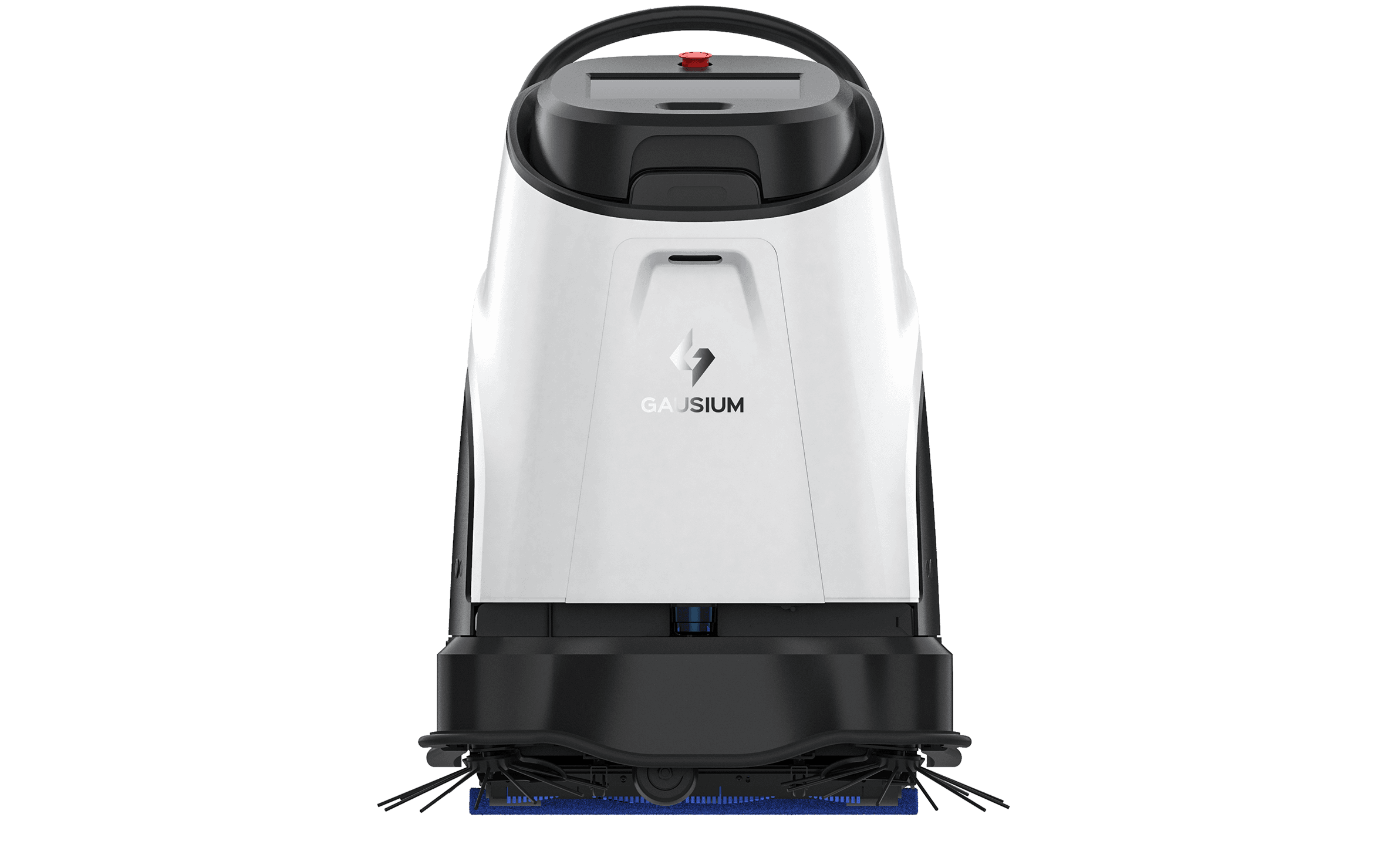
Most cleaning-robot case studies show a payback under two years. This one is deliberately different — because carpet and robotic vacuums are where the economics are honest but slower, and pretending otherwise helps no one. In a multi-storey office the real unlock isn't fleet size; it's lift integration. We built the plan around two lift-riding Gausium Vacuum 40 units — and a payback measured in years.
The brief
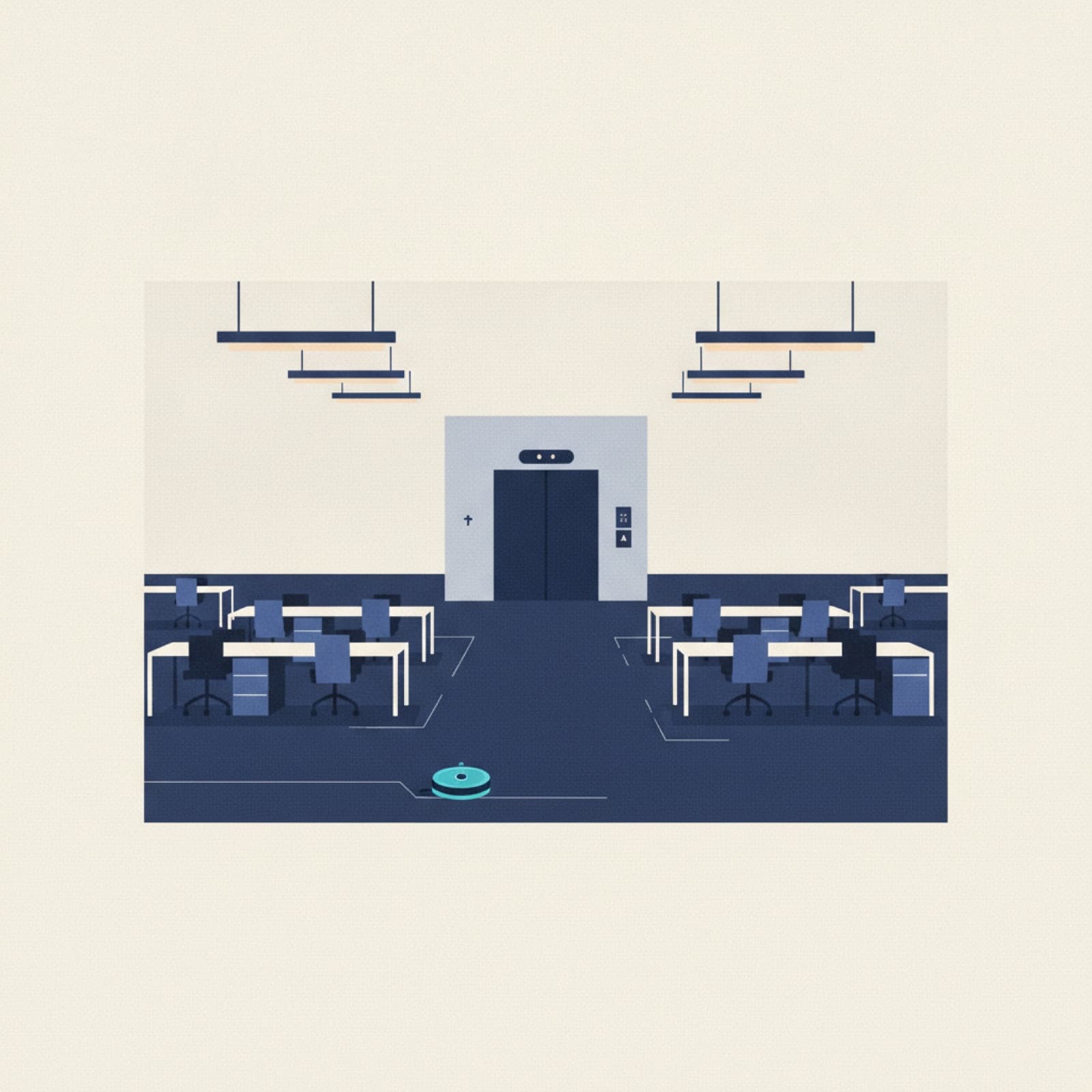
The building runs a standard commercial lease: carpet vacuumed nightly, bins and kitchens still done by hand. Without lift access, you'd need a machine parked on every floor — five robots to clean five floors, and the ROI collapses entirely.
- ~5,000 m² of low-pile commercial carpet across five tenant floors
- A nightly window after the last staff leave, before early starters arrive
- Desks, chairs and cable clutter — real-world coverage sits mid-range
- The unlock: lift integration so a robot calls and rides the lift itself
Lift integration is the whole game
With the robots able to move themselves between floors, two units ferry through the stack overnight instead of five sitting idle. Coverage tracks how open each floor is:
Open-plan floors clear fast; cellular floors with more offices and clutter sit lower. The fleet parks at a single ground-floor dock and rides the lift up.
The money — and the honesty
Prices are indicative Australian retail, ex-GST. Two Gausium Vacuum 40 units at ~A$57,500 each, plus lift integration and mapping, came to ~A$120,000 upfront, displacing a nightly vacuuming route worth about A$3,800/month:
Break-even lands around 32 months — 2.5–3 years, not the 15–20 months of a hard-floor scrubber case study. Carpet robotics ask for patience.
| Robotic vacuum (office carpet) | Scrubber (hard floor) | |
|---|---|---|
| Price per unit | ~A$57,500 | ~A$30,000 |
| Labour displaced / m² | Lower | Higher |
| Typical payback | 2.5–3 years | 15–20 months |
So when is it worth it?
When the building is large enough to spread the machine cost, when lift integration is available, and when consistency — the same carpet care every night, no skipped floors — matters to the tenants. If those aren't true, a robotic office vacuum is a hard sell, and we'll tell you so.
- Model your own building in the Fleet & ROI Planner.
- Or tell us about your building for a vendor-neutral, honest read.
Frequently asked questions
- Can a cleaning robot vacuum a multi-floor office building?
- Yes, if it integrates with the building's lifts. A robotic vacuum with lift-calling can move itself between floors overnight, so a small fleet covers a whole tower instead of one machine being stranded per floor.
- What is the payback on robotic vacuums for an office?
- Longer than hard-floor scrubbing — about 32 months in this composite. Commercial robotic vacuums cost ~A$57,500 each, so the payback runs 2.5–3 years rather than the 15–20 months typical of scrubber case studies. Lift integration and cleaning consistency are what justify it.
- Why is robotic-vacuum ROI slower than a floor scrubber?
- Two reasons: the machines are expensive per unit, and carpet vacuuming displaces less labour per square metre than wet scrubbing. The economics still work for large floor plates and consistency-driven sites, but the payback is honestly measured in years, not months.
- Do robotic vacuums work on office carpet and around desks?
- Yes — commercial robotic vacuums are built for low-pile commercial carpet and use obstacle avoidance to work around desk legs, chairs and cables, though very cluttered floors lower effective coverage.
Put these numbers to work
See which robot fits your facility and what it would save you.
Run the Fleet & ROI Planner