Why a Cleaning Robot's Spec-Sheet Coverage Is a Lie (and How to Discount It)
Rated m²/h is a peak, measured on an empty floor. In production you get 45–75% of it. Here's how to haircut the number so your ROI math isn't fiction.
By WhichBot Team
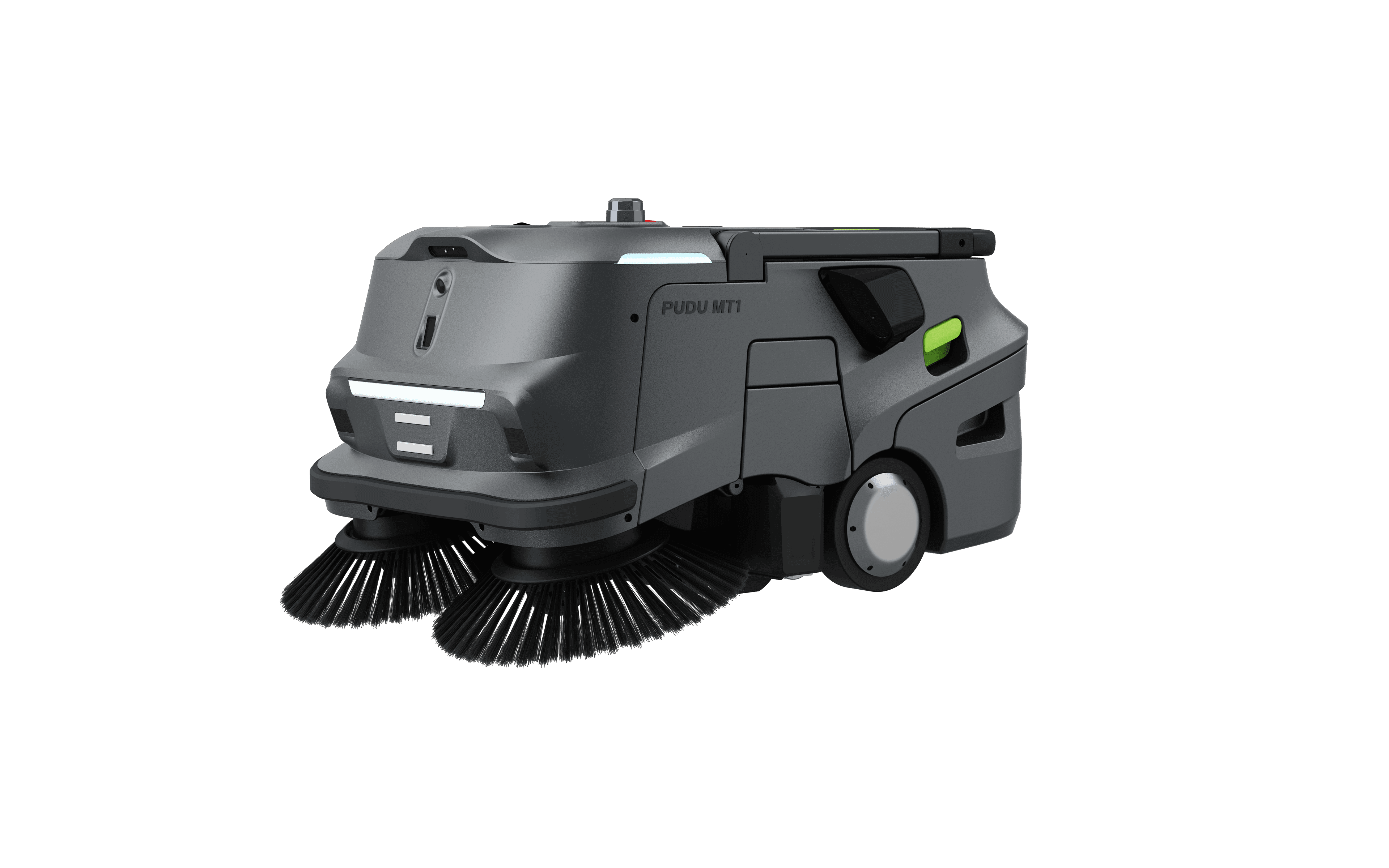
Operations gets sold on a number: "cleans up to 2,000 m² an hour." Then the robot lands, and a year later the payback that looked so clean never showed up. The culprit is almost always the same — a fleet sized on spec-sheet coverage that production never delivers.
Why the number is a peak, not a promise
Rated m²/h is measured the way every vendor benchmark is: an open floor, no people, no furniture, full speed, full tank. Your building is none of those things. The gap between rated and real is where the robot's hour actually goes:
- Productive cleaning62%
- Edge & detail passes14%
- Docking & charging12%
- Slowing for people / obstacles12%
On a real commercial floor, roughly two-fifths of the rated hour is spent not cleaning open area — which is exactly the part the spec sheet ignores.
The haircut, by environment
The right discount isn't one number — it tracks how "clean-friendly" your floor is. The more open and uninterrupted the space, the closer you get to spec:
Warehouses and big-box floors sit near 75%; offices and hotels near 60%; anything chopped into small rooms with thresholds near 45%.
Why we don't just use the vendor's measured number
Some vendors publish a measured figure next to the rated one. That is more transparent than not doing it, and on its own machine it is good evidence.
It is still the wrong thing to rank on — and this is the trap we walked into ourselves before we fixed it. Only some vendors disclose a measured number. Rank on it and you are comparing one brand's honest figure against everyone else's marketing peak, which quietly rewards whoever discloses least and punishes the brand that showed you its homework. Worse, a measured figure comes off that vendor's fleet, on their customers' floors, in their mix of sites — not yours.
So we do the opposite: one derate, applied to every brand's rated figure. We calibrate the derate from measured fleet data where we can get it — ours comes out at 0.59 across five PUDU models with confirmed specs, and we round to 0.6 — then apply that same number to everyone, including the brand it came from. Being straight about our own sample: a sixth PUDU model, the BG1, sits at 0.20 on a thin sample and an unconfirmed spec sheet, and we exclude it. Including it would pull the derate to 0.52, which would mean bigger fleets in every case study we publish. A vendor's own measured figure becomes a sanity check on the derate, never a row in the comparison.
| What the sheet says | What to plan for |
|---|---|
| "Up to 2,000 m²/h" | ~900 m²/h spec-derated (the 0.45 theoretical haircut) |
| Rated 1,600 m²/h | ~960 m²/h spec-derated — same derate as everyone else (~816 in-window after the 0.85 duty allowance) |
| A measured figure published alongside | Useful check on your derate; don't rank on it |
| Runtime "up to 4 h" | Plan for one mid-shift charge |
The takeaway
Size the fleet on real coverage and the payback in every one of our case studies holds. Size it on the spec sheet and you'll under-buy, miss your cleaning window, and quietly keep the manual labour you bought the robot to remove.
- The Fleet & ROI Planner bakes a realistic derate in, so your payback math starts honest.
- Or tell us about your site for a vendor-neutral shortlist sized on real numbers.
Frequently asked questions
- Why is a cleaning robot's real coverage lower than the spec sheet?
- Spec-sheet m²/h is a peak measured on an open, empty floor at full speed. Real sites add docking, charging, edge and detail work, and slowing for people and obstacles — so effective coverage lands at roughly 45–75% of the rated figure.
- How much should I discount rated cleaning-robot throughput?
- Discount rated coverage by 25–40% for a normal commercial floor, and by about 55% for bold 'up to' theoretical maxima. Open hard floor sits near the top of the range; small rooms and clutter sit near the bottom.
- Should I use a vendor's own measured throughput figure?
- Not for comparing machines. A vendor that publishes a measured figure alongside its rated one is being more transparent than one that doesn't, and it is useful evidence about that machine. But only some vendors publish it, so ranking on it compares a measured number against rivals' marketing peaks — which flatters whoever discloses least. Apply one derate to every brand's rated figure instead, and keep the measured number as a sanity check.
- Does spec-sheet coverage affect payback?
- Directly. Payback is upfront cost divided by labour displaced, and labour displaced scales with real coverage. Size a fleet on peak numbers and you under-buy, miss the window, and keep paying for manual top-up cleaning — which erases the saving.
Put these numbers to work
See which robot fits your facility and what it would save you.
Run the Fleet & ROI Planner