How a 12,000 m² Supermarket Cut Nightly Cleaning Costs 38%
A composite case study: shortlisting three autonomous scrubbers for a mid-size grocery store, the deployment, and the real payback math from our Fleet & ROI engine.
By WhichBot Team
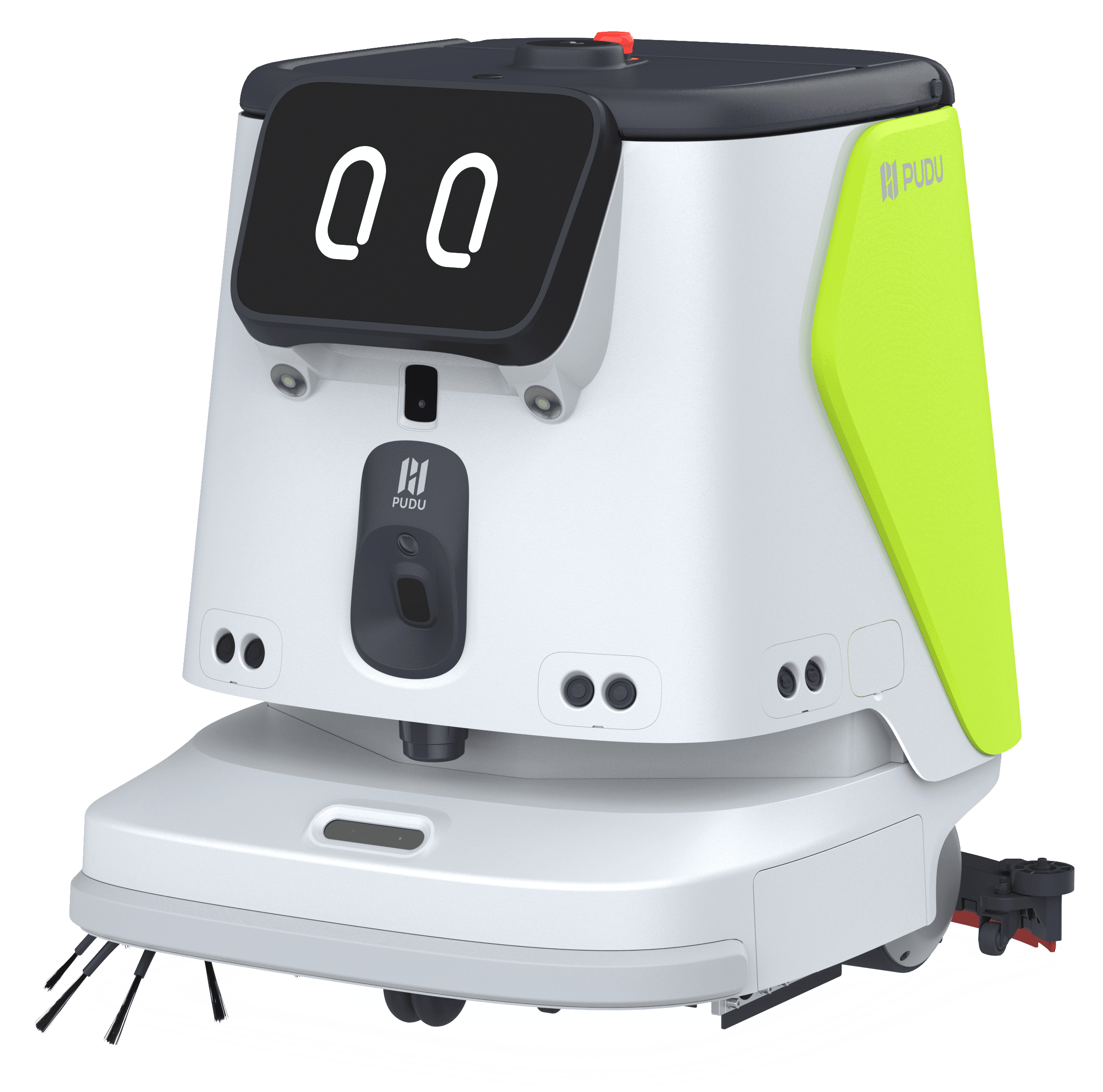
A regional grocery chain wanted to know a simple thing: would an autonomous floor scrubber actually pay for itself in one of their 12,000 m² stores — or just add a robot to babysit? We ran their real numbers through the Fleet & ROI Planner and shortlisted three machines. Here's how it shook out.

The brief
The store closes at 10pm and the floor must be clean before the 5am restock crew arrives — a seven-hour window in which one casual staffer mopped the main concourse, produce aisles, and checkout runway by hand. Coverage was inconsistent (the back aisles got skipped on busy nights), and the wage bill for that single shift was the single biggest line in the cleaning budget.
The constraints were ordinary and unforgiving:
- ~6,500 m² of actually-cleanable hard floor (excluding racking, back-of-house)
- 6 nights a week, finished before the morning restock crew arrives at 5am
- Narrow produce aisles and a lot of glass-door fridges — tight turning
- No appetite for a machine that needs an operator standing next to it
The shortlist
Specs get you to a shortlist; operations decide the winner. We compared three scrubber-dryers and sized a fleet that clears 6,500 m² inside the window.
| Model | Clean rate | Runtime | Indicative price | Best for |
|---|---|---|---|---|
| Pudu CC1 Pro | 700–1,000 m²/h | ~5 h | ~A$32,800 | Big open concourse + tight aisles |
| Pudu CC1 | 700–1,000 m²/h | ~5 h | ~A$30,100 | Smaller footprint, lower cost |
| Gausium Scrubber 50 Pro | 500–1,300 m²/h | ~3 h | ~A$70,600 | Mixed retail, premium price |
The deciding factor wasn't top-line clean rate — it was effective coverage per charge inside a fixed window. A machine that needs a second charge-and-refill cycle burns 40 minutes of the night doing nothing useful.
Payback = upfront cost ÷ monthly labour saved, on indicative pricing. The CC1 Pro fleet wins on cost-per-effective-m². Shorter is better.
The deployment
Three lessons carried over from every rollout we've seen:
- Mapping is 80% of the install. The robot cleaned beautifully on the aisles it had mapped — and skipped a seasonal end-cap display that appeared after mapping day. Budget re-mapping as a recurring task, not a one-off.
- Charging is a floor-planning problem. Parked in a back corner, the dock added dead travel time. Moved near the concourse centroid, it recovered roughly 10% of effective runtime.
- The job becomes exception-handling. The night staffer stopped mopping and started clearing the occasional flagged spill or blocked aisle — supervising, not pushing a bucket.
The numbers that matter
Two CC1 Pro units (indicative ~A$32,800 each, ex-GST) plus mapping came to about A$69,000, displacing the bulk of the nightly manual shift for a net ~A$3,500/ month while increasing audited coverage. Here's the cumulative picture the finance team actually cared about:
Break-even at ~19.7 months on a $69,000 upfront outlay saving $3,500/month.
The pre-deployment estimate was directionally right on labour displaced, but — as always — it understated the value of consistency. Audited cleaning scores went up because the robot doesn't cut corners at 3am, and that showed up in fewer slip incidents and better morning-open presentation.
Would it work for your store?
The honest answer is "it depends on your floor area, your window, and your wage rates" — which is exactly what the planner is for.
- Run your own store through the Fleet & ROI Planner to see the payback on your numbers.
- Or tell us about your site and we'll send a vendor-neutral shortlist with indicative pricing.
Put these numbers to work
See which robot fits your facility and what it would save you.
Run the Fleet & ROI Planner