The Sustainability Case: Autonomous Scrubbers Cut Cleaning Water 96%
Green Star buildings now mandate low water and chemical use. Here's the measured water/chemical maths for an autonomous scrubber vs a mop and bucket — and why the ESG story is stronger than the labour one.
By WhichBot Team
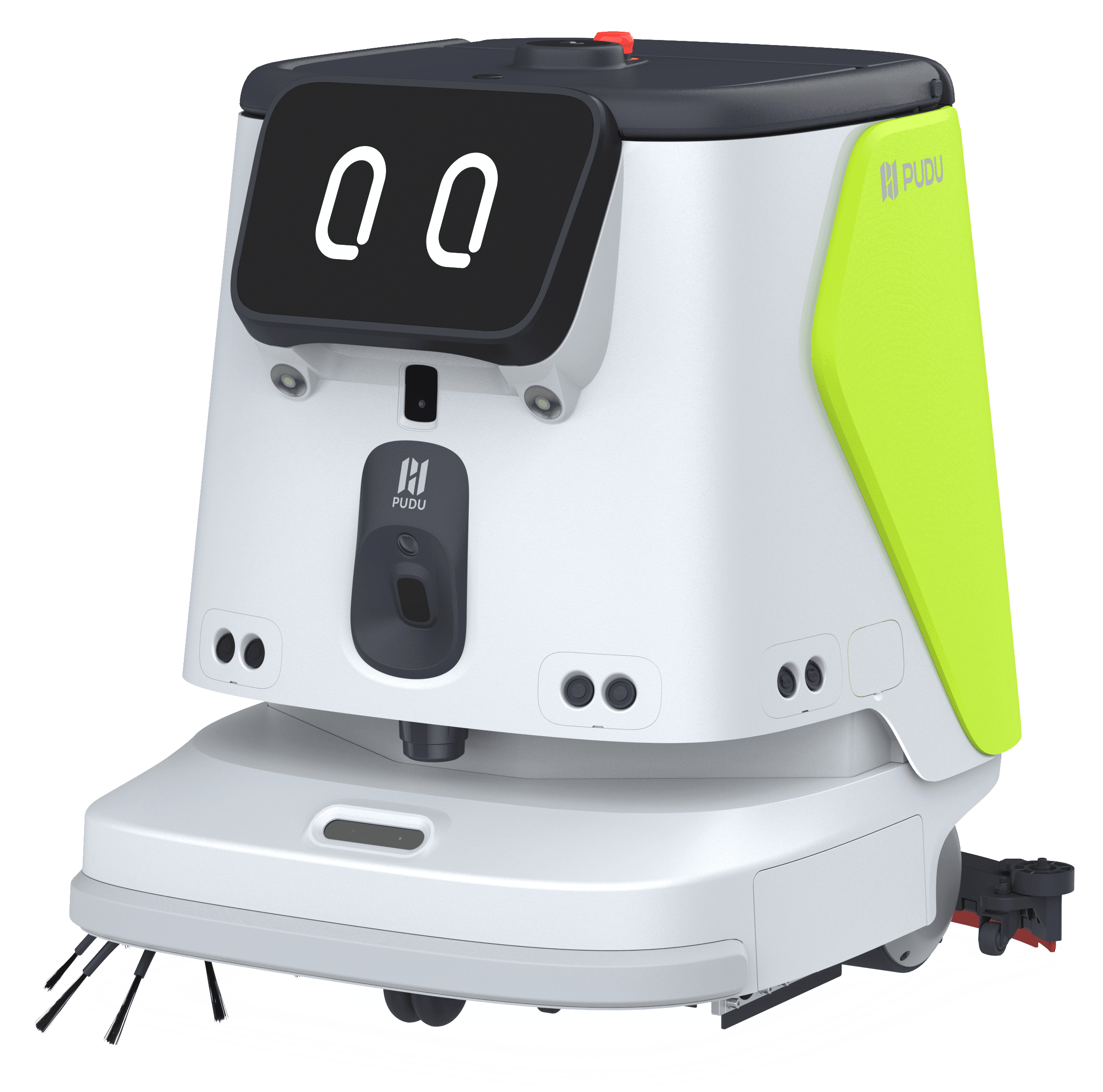
Worked example. Water and chemical figures below use the 4 ml/m² we hold every compact autonomous scrubber to, against a ~100 ml/m² manual mopping baseline, on an illustrative composite site cleaning ~2,000 m²/day, six days a week. It shows the shape of the sustainability case, not a specific quote.
For years the pitch for a cleaning robot was labour: fewer night shifts, lower wage bills, better coverage. But the fastest-moving reason to buy one in Australia right now is written into building contracts. Buildings chasing a 5- or 6-star Green Star rating now mandate environmentally responsible cleaning — measurable low water use, low-VOC biodegradable chemicals, less waste — as a condition of the lease. An autonomous scrubber turns that from a promise into an auditable number.
Why a scrubber sips where a mop pours
A mop-and-bucket wets the floor, drags dirty water around, and gets tipped down a drain and refilled — often over-dosed with detergent "to be safe". An autonomous scrubber-dryer like the PUDU CC1 Pro lays down a thin, metered film of solution, scrubs it, then vacuums it straight back up through a squeegee into a recovery tank. Almost nothing evaporates or runs to waste. That's why we plan any compact autonomous scrubber at 4 ml of water per m² — one figure applied to every brand, calibrated from measured PUDU scrubber data and then held to PUDU too, rather than ranked per model — against roughly 100 ml/m² for manual mopping. Large ride-on scrubbers use several times that; size those separately.
Put those two numbers on the same floor and the gap is the whole story:
- Water eliminated by auto-scrubbing96%
- Water the robot still uses4%
Of every ~100 ml/m² a mop-and-bucket would use, we plan an autonomous scrubber at about 4 ml and count the rest as eliminated — recovered water and metered dosing instead of pour-and-tip.
The maths on a real-sized site
Take a facility that cleans about 2,000 m² of hard floor a day, six days a week — about 4.6 of the five hours in one CC1 Pro's overnight window, at the ~434 m²/h it plans at in-window. That's 624,000 m² of cleaning a year. At the two water intensities:
| Method | Water per m² | Water per year (624,000 m²) | Chemical basis |
|---|---|---|---|
| Manual mop & bucket | ~100 ml | ~62,400 L | Bucket-dosed, often over-diluted |
| Any compact autonomous scrubber-dryer | ~4 ml | ~2,496 L | Metered dose per litre |
We hold every compact autonomous scrubber to the same 4 ml/m² — the figure is calibrated from measured PUDU scrubber data and then applied to every brand including PUDU, rather than ranking models on water. Some vendors publish a per-model measured intensity and some don't, so a model-by-model water table would compare one brand's disclosure against another's silence — the same trap as ranking on measured throughput.
That's about 60,000 litres of water saved, per robot, per year — roughly a suburban backyard pool, kept out of the drain and off the water bill. Because detergent is dosed into the clean-water tank at a fixed dilution, chemical use tracks water use: cut the water ~96%, and you cut the detergent going down the drain by about the same proportion (manual over-dosing and bucket changes usually make the real gap wider, not narrower).
Watch it accumulate over the year and the ESG report writes itself:
~15,000 L saved each quarter, ~60,000 L (60 kL) across the year — the number that goes straight into a Green Star cleaning-and-maintenance return.
And the robot's own footprint?
Small enough to be a footnote. A CC1 Pro draws about 370 kWh a year on this site — roughly 295 kg of CO₂ on the Australian grid at ~0.8 kg CO₂/kWh, or what a mid-size car emits in about 1,500 km. Against ~60,000 L of water and the matching detergent it avoids, the electricity it consumes is a rounding error. The sustainability case for automation is a resource case, not an energy one.
The honest caveats
- Chemical savings depend on your product and dilution. The ~96% figure is proportional to water; a site already running a closed-loop or ultra-dilute system will see a smaller gap. Pair the robot with a certified low-VOC, biodegradable detergent to also win that half of Green Star.
- Robots do floors, not everything. Auto-scrubbers cut floor-care water and chemical dramatically, but restroom sanitising and detail work stay manual — count the saving on the floor area, not the whole contract.
- Measure your own baseline. "~100 ml/m² manual" is a fair industry figure, but your actual mop-and-bucket usage sets your real saving. Meter it once before you claim it.
Sustainability used to be the soft benefit you mentioned after payback. On a Green Star floor in 2026, it's often the line item that gets the robot approved — and unlike a wage-saving forecast, 60,000 litres is a number you can audit.
- Model the water, chemical and labour picture for your own site in the Fleet & ROI Planner.
- Or tell us about your site and we'll send a vendor-neutral shortlist with the sustainability numbers alongside the payback.
Frequently asked questions
- How much water does an autonomous floor scrubber save vs mopping?
- A lot. We plan an autonomous scrubber-dryer at about 4 ml of water per m² — the single figure we hold every scrubber to — versus roughly 100 ml/m² for manual mop-and-bucket cleaning — a ~96% reduction. On a site cleaning ~2,000 m²/day that's about 60,000 litres of water saved per robot per year.
- Do cleaning robots use less chemical than manual cleaning?
- Yes. Auto-scrubbers meter detergent per litre of clean water at a fixed dilution, so chemical use tracks water use — roughly 96% less than bucket cleaning, which is often over-dosed and tipped out between rooms. The exact saving depends on your detergent and dilution.
- Why do Green Star buildings care about cleaning water and chemicals?
- Buildings pursuing 5- or 6-star Green Star certification mandate environmentally responsible cleaning as a contractual requirement — low water use, low-VOC/biodegradable chemicals, and less waste. Auto-scrubbers with metered dosing help hit those targets with an auditable number.
- What is the carbon footprint of running a cleaning robot?
- Small. A PUDU CC1 Pro draws about 370 kWh/year on a ~2,000 m²/day site, or roughly 295 kg CO₂ on the Australian grid (~0.8 kg CO₂/kWh). The bigger sustainability lever is the water and chemical it avoids, not the electricity it uses.
Put these numbers to work
See which robot fits your facility and what it would save you.
Run the Fleet & ROI Planner